


I’m no therapist, but I know what it’s like to feel low. I think the sons of Korah knew a thing or two about that, too.1 Here’s what they taught me about how I can handle my low moments and still cling to God.
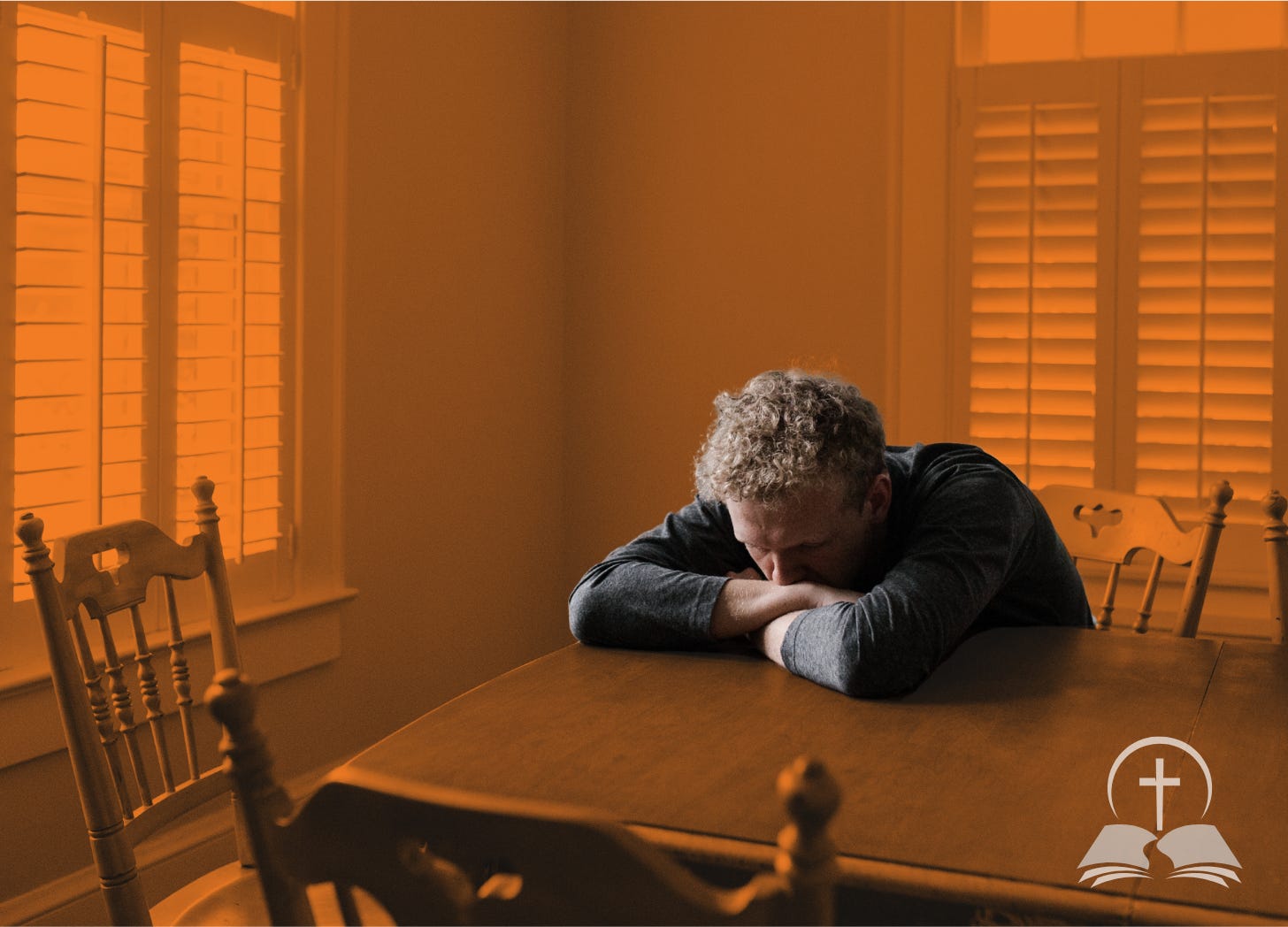
When you feel depressed, keep longing for God (Psa. 42:1). He hasn’t left you (Heb. 13:5-6). He will give you peace (Phil. 4:6-7).
When you feel depressed, pour out your heart to God (Psa. 42:4a). Give Him your burden. Tell Him everything. He already knows it, anyway.
When you feel depressed, remember the moments your heart delighted in God’s praise (Psa. 42:4b). Recall the better days, not to impose guilt on the burden of the present but to renew hope that these days will pass.
When you feel depressed, commit to “showing up” for God (Psa. 42:5). The sons of Korah said twice in this psalm: “I will still praise Him.” Keep going to worship. Keep reading your Bible. Keep praying to God. Keep finding ways to be serve others.
When you feel depressed, don’t let yourself forget God’s glory (Psa. 42:6). Observe God’s greatness all around. Focus on some of the “landmarks” in your life that remind you of the goodness of God.
When you feel depressed, trust God’s provision and look for His answers to prayer (Psa. 42:8). Fanny J. Crosby wrote the words we’ve been singing for years — words taken from this very psalm:
I know I shall see in His beauty
the King in whose law I delight,
who lovingly guardeth my footsteps
and giveth me songs in the night.
When you feel depressed, remember that God has not changed and He will not fail you (Psa. 42:9). The psalm describes a situation in which someone has lost his or her appetite, has been crying night and day (42:2), they feel dejected and in turmoil (42:5), and “deeply depressed” (42:6, CSB), and yet they call God “my rock” in verse nine. Your circumstances may have changed, you may feel low, but God is the same. He will not fail you!
When you feel depressed, praise God through your sorrow (Psa. 42:11). Though his eyes are sore from crying and weary from lack of sleep, though the pressures of life bear down like weights on his chest, the psalmist says he will still praise God. And you need to know that it’s OK for you to praise God through tears, grief, weariness, or depression.
It may be helpful to notice what’s not in this psalm. There is no explanation in the psalm as to why this is happening. There is no duration in the psalm as to how long the pain will remain. There is no resolution in the psalm. Instead, there is exaltation of God and expectation that it’s all in God’s hands.
It’s important to seek help from mental health professionals if you feel that is needed. This post is mainly aimed at helping us navigate the lows – even the deep lows – that we all experience through life.